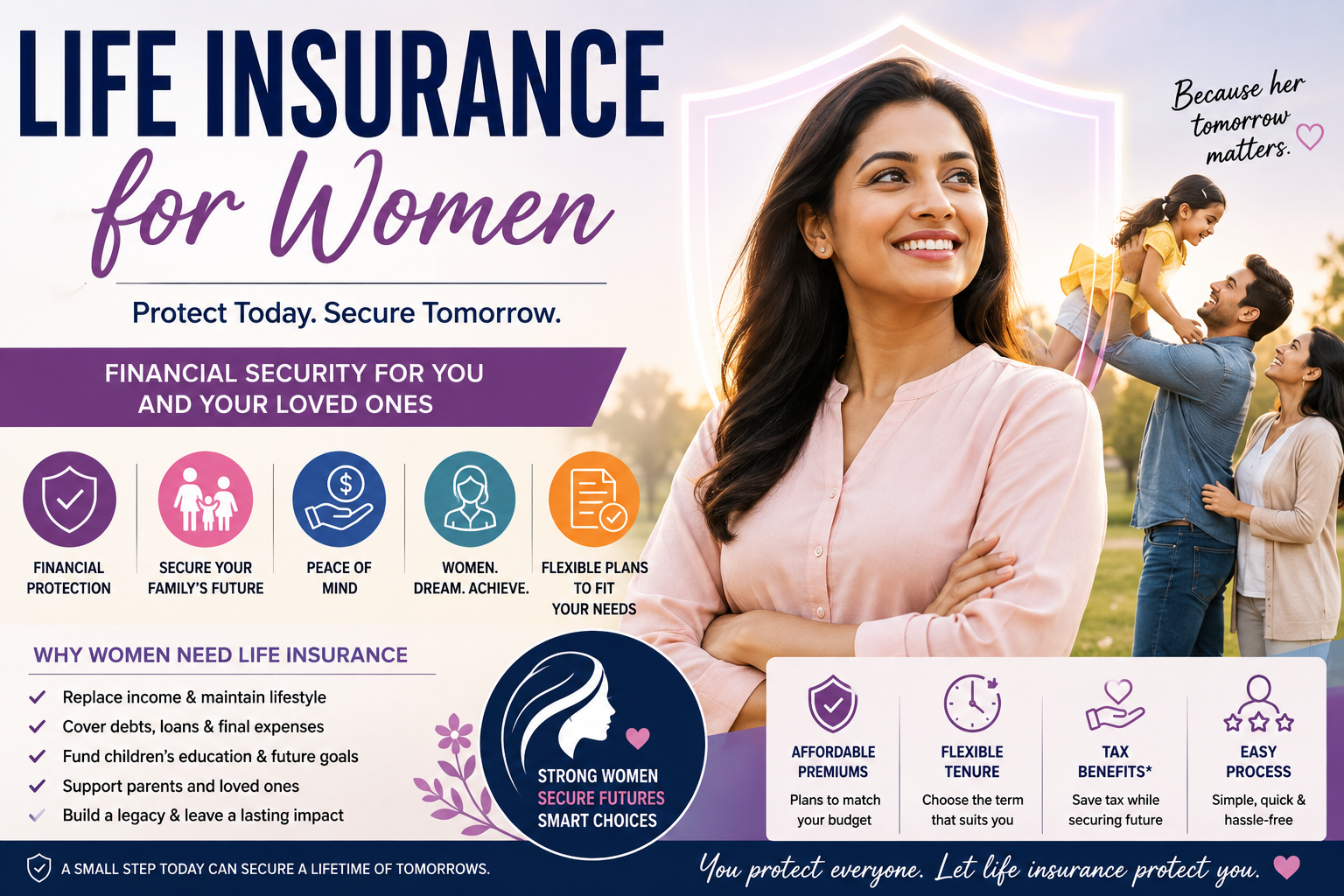
Learn how life insurance for women works, what affects costs, how much coverage may be needed, and how to choose the right policy.
life insurance for women
Life insurance is often discussed as though everyone has the same financial needs. In reality, the right amount and type of coverage can depend on income, family responsibilities, debts, savings, career plans, and the financial impact of losing someone who contributes to a household.
For women, those considerations can be especially important.
A woman may be the primary income earner, a stay-at-home parent, a business owner, a caregiver, or a combination of these roles. Even when someone does not earn a traditional salary, their contribution to a household can have significant economic value.
That is why life insurance for women should not be viewed simply as a product designed for mothers or spouses. It can be an important financial planning tool for women at many different stages of life.
A young professional may want coverage to protect future financial obligations. A parent may need insurance to replace income and cover childcare or education costs. A business owner may need coverage to protect a company and its employees. A woman approaching retirement may have completely different reasons for considering life insurance.
The right policy depends on the financial risk that needs to be protected.
This guide explains how life insurance works for women, what affects premiums, how to estimate coverage, which policy types are available, common mistakes to avoid, and how to make a more informed decision.
Important: Life insurance pricing, eligibility, policy features, and underwriting requirements vary by insurer and individual circumstances. The information in this article is educational and should not be treated as individualized financial or insurance advice.
What Is Life Insurance for Women?
Life insurance for women is not a separate category of insurance with completely different rules. It generally refers to life insurance purchased by women to provide financial protection for beneficiaries after the policyholder’s death.
Depending on the policy, coverage may provide a death benefit to designated beneficiaries if the insured dies while the policy is active and the claim meets the contract’s requirements.
Common types include:
- Term life insurance
- Whole life insurance
- Universal life insurance
- Other permanent life insurance products
The appropriate policy depends on the purpose of the coverage.
For example, a mother may primarily want income replacement for her children. A business owner may want protection against the financial consequences of losing a key owner. Someone with significant assets may have different estate-planning considerations.
The important question is not simply:
“Which life insurance policy is best for women?”
It is:
“What financial problem would life insurance need to solve for me and my family?”
Why Women May Need Life Insurance
Life insurance can be valuable for anyone with financial dependents or obligations.
Women may underestimate their insurance needs for several reasons.
Some may assume that life insurance is mainly necessary for the household’s primary breadwinner. Others may overlook the economic value of unpaid caregiving, household management, or family responsibilities.
Consider a parent who does not earn a conventional salary.
If she dies, the surviving family might suddenly need to pay for:
- Childcare
- Transportation
- Household services
- Education support
- Meal preparation
- Elder care
- Additional working hours for the surviving parent
These costs can be substantial.
Life insurance can provide financial resources that help a family manage those changes.
Quick Answer: Do Women Need Life Insurance?
Women may need life insurance if someone depends on their income, unpaid household contributions, financial support, or assets, or if they have debts or other obligations that could create a financial burden after death.
Not every woman needs the same amount of coverage.
A single woman with no dependents and substantial assets may have a very different need from a single mother supporting three children.
Who Should Consider Life Insurance?
Life insurance may be worth considering for women who are:
- Married
- Parents
- Single parents
- Primary income earners
- Stay-at-home parents
- Business owners
- Caregivers
- Homeowners with mortgages
- People with significant debt
- Supporting aging parents
- Providing financial assistance to relatives
- Building substantial assets
- Planning for future financial obligations
The need should be evaluated based on financial responsibilities rather than gender alone.
Life Insurance for Women at Different Life Stages
Insurance needs can change considerably throughout a woman’s life.
Young Adults
A young woman may have relatively few financial dependents.
However, she may still have reasons to consider life insurance if she has:
- Student or personal debt
- A mortgage
- A spouse
- Children
- Co-signed financial obligations
- Business interests
Someone with no dependents and few financial obligations may have a limited need.
Married Women
Marriage can create new financial responsibilities.
A couple may share:
- Mortgage payments
- Household expenses
- Debt
- Retirement planning
- Savings goals
- Business interests
If one spouse dies, the surviving spouse may have difficulty maintaining the same financial lifestyle.
Life insurance can help reduce that risk.
Mothers
Parents often have significant life insurance needs because children depend on them financially.
Potential costs include:
- Housing
- Food
- Childcare
- Education
- Transportation
- Healthcare
- Daily household expenses
The policy does not replace the parent, but the death benefit can provide financial resources for the family.
Stay-at-Home Mothers
A common misconception is that someone who does not earn an income does not need life insurance.
That is not necessarily true.
A stay-at-home parent may provide services that would otherwise have to be purchased.
If she dies, the surviving parent may need to pay for:
- Full-time or part-time childcare
- Housekeeping
- Transportation
- Meal preparation
- After-school care
- Elder care
Therefore, the economic value of unpaid work should be considered when estimating coverage.
Women Who Are Primary Breadwinners
Women increasingly serve as the primary or sole income source for their households.
If that income suddenly disappears, beneficiaries may face significant financial challenges.
A policy can potentially help replace:
- Salary
- Bonuses
- Business income
- Retirement contributions
- Other financial support
The amount of coverage should reflect the family’s dependence on that income.
Women Entrepreneurs and Business Owners
Business owners may need life insurance for reasons beyond personal income replacement.
Potential purposes include:
- Business continuity
- Debt protection
- Key-person coverage
- Buy-sell agreements
- Family financial protection
- Protecting business partners
Business-related insurance can be more complicated than an individual policy, particularly when multiple owners are involved.
Types of Life Insurance for Women
There are two broad categories to understand:
- Term life insurance
- Permanent life insurance
Permanent insurance can include several different policy structures.
Term Life Insurance for Women
Term life insurance provides coverage for a specified period.
Common terms include:
- 10 years
- 15 years
- 20 years
- 25 years
- 30 years
If the insured dies during the covered term, the policy may pay the death benefit to beneficiaries, subject to the contract.
If the insured survives the term, coverage generally ends unless the policy includes renewal or conversion provisions.
Why women may choose term insurance
Term insurance can be attractive when the primary goal is affordable temporary protection.
For example, a mother may want coverage until her children become financially independent.
A homeowner may want coverage roughly matching the period of a mortgage.
A working spouse may want income protection during the years when the family depends heavily on her earnings.
Permanent Life Insurance for Women
Permanent life insurance is generally designed to remain in force for life as long as the policy requirements are satisfied.
Some permanent policies can accumulate cash value.
Types may include:
- Whole life insurance
- Universal life insurance
- Variable universal life
- Indexed universal life
These policies can be more complex than term insurance.
They may also have higher premiums.
Permanent life insurance can make sense for specific long-term financial objectives, but it should not automatically be considered better than term insurance.
Term vs. Permanent Life Insurance for Women
| Feature | Term Life | Permanent Life |
|---|---|---|
| Coverage | Specific period | Generally lifelong |
| Premium | Usually lower | Usually higher |
| Cash value | Generally none | May accumulate |
| Complexity | Relatively simple | More complex |
| Main purpose | Temporary protection | Lifetime protection and other objectives |
| Typical use | Income replacement, family protection | Estate and long-term financial planning |
The best choice depends on the purpose of the insurance.
How Much Life Insurance Does a Woman Need?
There is no universal coverage amount.
A common mistake is choosing a policy simply because a certain number sounds large.
Instead, estimate the financial loss that beneficiaries would experience.
Consider the following.
1. Income Replacement
How much income would your household lose?
For example, if you earn $70,000 annually, your family may need significant resources to replace part of that income over many years.
2. Debts
Consider:
- Mortgage
- Credit cards
- Personal loans
- Student loans
- Business debt
- Other obligations
Some debts may be transferred, shared, or handled differently depending on the legal and financial circumstances.
3. Children’s Future Expenses
Parents may want to account for:
- College costs
- Childcare
- Housing
- Transportation
- Other education expenses
4. Household Services
For a stay-at-home parent, calculate the potential cost of replacing unpaid work.
This may include:
- Childcare
- Housekeeping
- Meal preparation
- Transportation
- Caregiving
5. Existing Assets
Subtract resources that could already help beneficiaries.
These may include:
- Savings
- Investments
- Retirement accounts
- Existing insurance
- Other assets
A Simple Life Insurance Calculation
A basic starting formula is:
Life Insurance Need = Debts + Future Expenses + Income Replacement + Final Expenses − Existing Assets
For example:
- Mortgage: $300,000
- Future education costs: $150,000
- Income replacement need: $600,000
- Other obligations: $50,000
- Existing assets: $200,000
The simplified estimate would be:
$300,000 + $150,000 + $600,000 + $50,000 − $200,000 = $900,000
This does not mean the person automatically needs exactly $900,000 of coverage.
It is simply a starting point for a more detailed analysis.
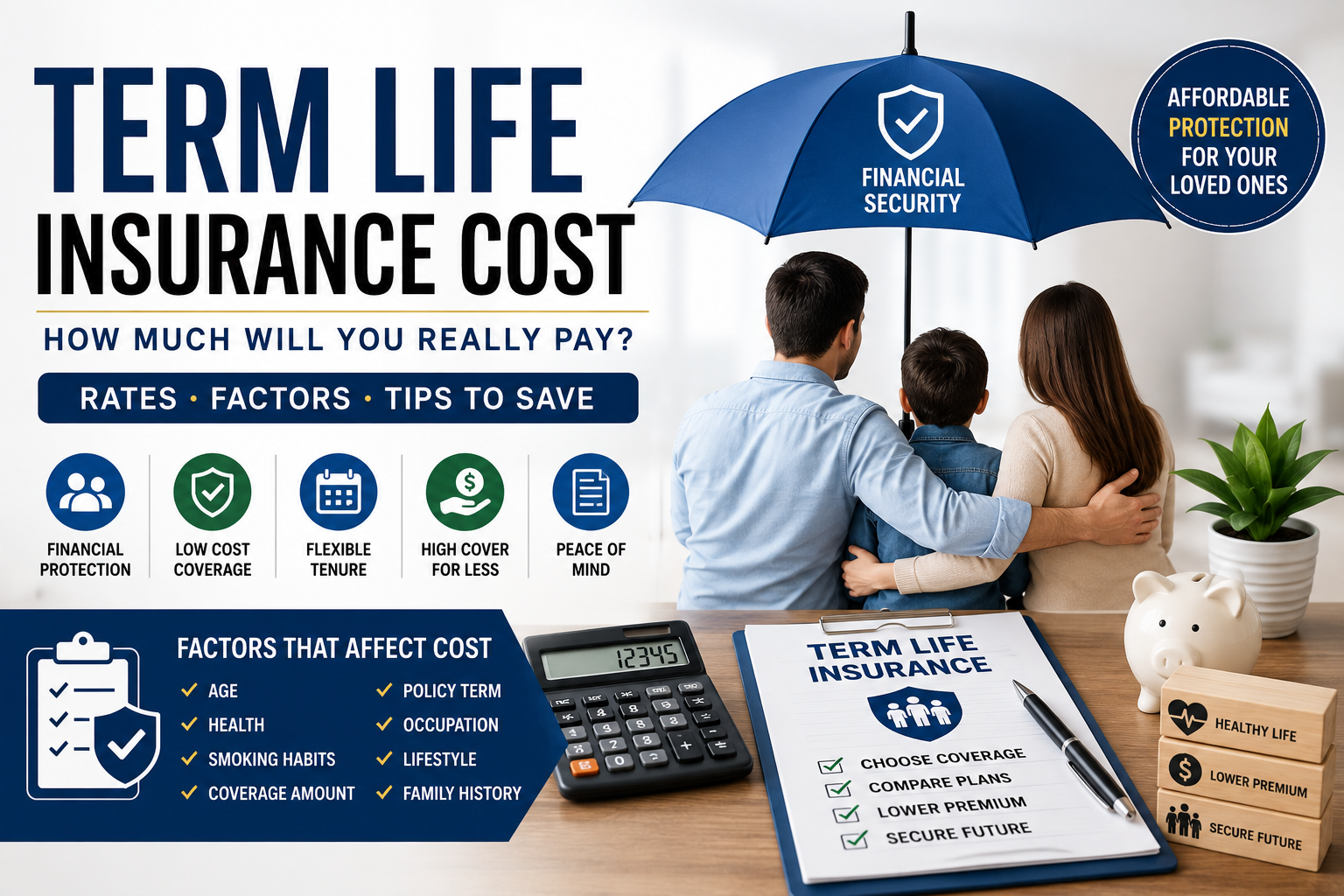
What Affects Life Insurance Cost for Women?
Several factors can influence premiums.
Age
Age is one of the major factors considered by insurers.
Younger applicants often receive lower premiums because the probability of death during a given policy period is generally lower.
Waiting until later in life can result in higher premiums.
Health
Underwriting may consider:
- Medical history
- Blood pressure
- Cholesterol
- Diabetes
- Heart conditions
- Cancer history
- Medications
- Surgeries
- Family history
- Other health factors
The impact depends on the individual situation and insurer.
Tobacco Use
Smoking and other tobacco use can significantly increase life insurance premiums.
Applicants should provide accurate information during the application process.
Coverage Amount
A $1 million policy generally costs more than a $250,000 policy for the same applicant.
More coverage means greater potential financial exposure for the insurer.
Policy Term
A 30-year term generally costs more than a 10-year term for the same applicant and coverage amount.
Longer coverage extends the insurer’s risk over a longer period.
Occupation
Certain high-risk occupations may affect underwriting.
The insurer may consider the actual duties and associated risks.
Lifestyle and Hobbies
Some high-risk activities can influence premiums or underwriting decisions.
Examples can include:
- Skydiving
- Scuba diving
- Mountain climbing
- Private aviation
- Certain motorsports
Rules differ among insurers.
Do Women Pay Less for Life Insurance?
Historically, women have often received lower life insurance premiums than men in many markets because actuarial mortality patterns have generally differed between the sexes.
However, premiums are not determined by gender alone.
Insurers can consider many other variables, including:
- Age
- Health
- Smoking
- Coverage
- Policy term
- Occupation
- Family history
- Lifestyle
A healthy woman and a woman with significant health risks may receive very different premiums.
Likewise, comparing only male versus female rates does not provide enough information to determine what any individual should pay.
Why Buying Life Insurance Earlier Can Matter
Age can have a significant effect on premiums.
Suppose a woman knows that she will eventually need substantial life insurance because she has young children and a mortgage.
Waiting many years could mean applying at an older age.
That may result in:
- Higher premiums
- Different underwriting
- Potentially fewer policy choices
However, buying insurance simply because someone says “buy it while you’re young” is not enough.
The coverage should match an actual financial need.
Life Insurance for Women With Children
Parents often have some of the strongest reasons to consider life insurance.
The financial consequences of a parent’s death can extend far beyond lost wages.
A policy can potentially help cover:
Everyday expenses
- Food
- Housing
- Clothing
- Transportation
Child-related expenses
- Daycare
- School expenses
- Activities
- College
Financial obligations
- Mortgage
- Loans
- Other debts
Future planning
- Savings
- Education
- Retirement contributions
The objective is to prevent a premature death from creating an immediate financial crisis.
Life Insurance for Single Mothers
Single mothers may have particularly significant insurance needs because there may not be another parent capable of replacing their income and caregiving responsibilities.
When estimating coverage, consider both:
Income replacement + childcare replacement
For example, if a mother earns $60,000 annually and also provides full-time childcare, a policy based only on salary may underestimate the family’s actual financial needs.
The surviving caregiver may need to work fewer hours or pay for additional childcare.
Life Insurance for Stay-at-Home Parents
A stay-at-home parent contributes economic value even without a conventional paycheck.
Imagine a family where one parent earns $100,000 and the other handles:
- Childcare
- Cooking
- Cleaning
- School transportation
- Household administration
If the stay-at-home parent dies, the family may need to spend thousands of dollars annually replacing those services.
Therefore, the life insurance calculation should consider the economic value of services, not just salary.
Life Insurance for Working Mothers
Working mothers may have a combination of income and caregiving responsibilities.
Their coverage needs can therefore involve:
- Salary replacement
- Childcare
- Household services
- Mortgage protection
- Education expenses
- Retirement contributions
This can make an income-based calculation alone incomplete.
Life Insurance and Pregnancy
Pregnancy can raise questions about whether someone can apply for life insurance.
In many cases, being pregnant does not automatically prevent someone from applying.
However, underwriting can depend on:
- Stage of pregnancy
- Pregnancy-related health conditions
- Medical history
- Complications
- Insurer requirements
If applying during pregnancy, accurate medical information is particularly important.
The underwriting process may vary between insurers.
Life Insurance After Having a Baby
Having a child is often a major reason to reevaluate life insurance.
A policy purchased before having children may no longer provide sufficient protection.
New parents should consider:
- Childcare
- Education
- Housing
- Income replacement
- Future family expenses
- Existing insurance
A new child can substantially change the family’s financial risk.
Life Insurance and Divorce
Divorce can change insurance needs significantly.
A woman who previously relied on a spouse’s income may now need more individual financial protection.
Insurance considerations may involve:
- Child support
- Alimony
- Shared debts
- Mortgage obligations
- Existing policies
- Beneficiary designations
Divorce can also affect who should be listed as a beneficiary.
Because legal requirements vary, policyholders should review their insurance arrangements after major family changes.
Life Insurance for Women Over 50
Women over 50 may still have meaningful insurance needs.
Possible reasons include:
- Mortgage debt
- Spousal income protection
- Final expenses
- Estate planning
- Business ownership
- Supporting adult children
- Leaving money to beneficiaries
Premiums are generally higher at older ages, but the need for coverage may also be different.
Someone with substantial assets may need less insurance than someone with significant debt and limited savings.
Life Insurance for Women Over 60
At older ages, life insurance decisions often require more careful consideration of cost and purpose.
Potential goals include:
- Final expenses
- Estate planning
- Legacy planning
- Supporting a spouse
- Business obligations
- Covering specific debts
At this stage, buying a large policy without a clear objective may not be financially efficient.
The policy should have a defined purpose.
Life Insurance for Single Women
Being single does not automatically mean life insurance is unnecessary.
A single woman may want coverage if she has:
- A mortgage
- Co-signed debt
- Children
- Business obligations
- Dependent relatives
- Significant financial responsibilities
If nobody would experience a meaningful financial loss from her death and she has sufficient assets to cover final expenses, the need may be smaller.
Life Insurance for Women Without Children
Having children is not a requirement for life insurance.
A woman without children may still have:
- A spouse
- Aging parents
- Siblings who depend on her
- Business partners
- Debts
- Charitable goals
Life insurance can be structured around whichever financial obligations matter to the policyholder.
Can Women With Health Conditions Get Life Insurance?
In many cases, yes.
A health condition does not automatically make someone uninsurable.
The insurer may consider:
- Diagnosis
- Severity
- Treatment
- Stability
- Medication
- Prognosis
- Other health factors
Possible outcomes can include:
- Standard rates
- Higher premiums
- Modified coverage
- Additional underwriting
- Declined application
One insurer’s decision does not necessarily predict another insurer’s decision.
No-Exam Life Insurance for Women
Some insurers offer policies that do not require a traditional medical examination.
These policies can be attractive because they may offer:
- Faster application
- Less paperwork
- Convenience
- No traditional exam
However, they may have:
- Higher premiums
- Lower coverage limits
- More restrictive eligibility
- Different underwriting structures
Women who are healthy and comfortable with a medical examination may want to compare both options.
How to Choose the Right Life Insurance Policy
Start by identifying your purpose.
Step 1: Identify Who Depends on You
Ask:
- Does anyone depend on my income?
- Does anyone depend on my caregiving?
- Would someone inherit my debts or financial responsibilities?
- Would my death create a financial problem?
Step 2: Calculate Your Financial Obligations
List:
- Mortgage
- Loans
- Household expenses
- Education costs
- Childcare
- Business obligations
Step 3: Calculate Existing Resources
Include:
- Savings
- Investments
- Retirement assets
- Existing insurance
- Other financial resources
Step 4: Select a Coverage Amount
Use the financial gap as your starting point.
Avoid choosing a policy solely because a particular amount is popular.
Step 5: Choose the Policy Term
Ask how long your family would need financial protection.
A 10-year policy and a 30-year policy serve different purposes.
Step 6: Compare Policies
Compare:
- Premium
- Death benefit
- Term
- Renewal rules
- Conversion options
- Exclusions
- Underwriting requirements
- Policy guarantees
Common Life Insurance Mistakes Women Should Avoid
Mistake 1: Assuming Only the Highest Earner Needs Insurance
The financial value of caregiving can be substantial.
Both partners may need coverage.
Mistake 2: Ignoring Unpaid Work
A stay-at-home parent may provide services that cost significant money to replace.
Include those costs when calculating coverage.
Mistake 3: Buying Based Only on Salary
Salary is important, but it is not the only consideration.
Future expenses and household services matter too.
Mistake 4: Choosing the Cheapest Policy
Low cost is attractive, but the policy must provide appropriate protection.
Mistake 5: Not Updating Beneficiaries
Major life events can change beneficiary needs.
Review beneficiaries after events such as:
- Marriage
- Divorce
- Birth of a child
- Death of a beneficiary
- Major estate changes
Mistake 6: Waiting Until Health Changes
Waiting can potentially make coverage more expensive or difficult to obtain.
If you have a clear need for insurance, consider your options before circumstances change.
How to Save Money on Life Insurance for Women
Compare Multiple Quotes
Pricing can differ significantly between insurers.
Comparing multiple suitable options can help identify competitive pricing.
Choose the Correct Coverage
Buying more coverage than necessary increases the premium.
Buy enough to address your actual financial need.
Choose an Appropriate Term
A longer policy can cost more.
Select a term that corresponds to your financial responsibilities.
Maintain Good Health
Health can influence underwriting.
Healthy lifestyle choices may support better overall health and, depending on underwriting, potentially better insurance pricing.
Avoid Tobacco
Tobacco use can significantly increase premiums.
If you use tobacco, ask how the insurer defines tobacco use and whether there are different rates based on tobacco history.
Life Insurance Beneficiaries
The beneficiary is the person or entity designated to receive the policy’s death benefit according to the policy terms.
Potential beneficiaries can include:
- Spouse
- Children
- Other relatives
- Trusts
- Charitable organizations
Choosing beneficiaries carefully is important.
A policyholder should also understand the difference between:
Primary beneficiary
The first person or entity designated to receive the benefit.
Contingent beneficiary
The beneficiary who may receive the benefit if the primary beneficiary cannot.
Beneficiary arrangements should be reviewed after major life events.
Life Insurance and Financial Independence
Life insurance should not be viewed as a replacement for building wealth.
A strong financial plan may include:
- Emergency savings
- Retirement investments
- Debt management
- Insurance
- Estate planning
- Long-term investments
Life insurance addresses a specific risk:
The financial consequences of premature death.
Once financial independence is achieved, the need for insurance may change.
When You May Need Less Life Insurance
Your insurance needs can decrease over time.
For example:
- Mortgage is paid down
- Children become financially independent
- Savings increase
- Investments grow
- Retirement assets become sufficient
- Debts decrease
This is why insurance should be reviewed periodically rather than treated as a decision that never changes.
When You May Need More Life Insurance
Your coverage may need to increase after:
- Marriage
- Having a child
- Buying a house
- Starting a business
- Increasing income significantly
- Taking on major debt
- Becoming responsible for another person
Life insurance should evolve with your financial situation.
Frequently Asked Questions About Life Insurance for Women
Is life insurance for women cheaper than for men?
Women have historically received different life insurance pricing than men in many markets because actuarial mortality patterns can differ. However, individual premiums depend on many factors, including age, health, smoking status, coverage, and policy term.
Do women really need life insurance?
Women may need life insurance when someone depends on their income, caregiving, assets, or financial support. The need depends on individual financial circumstances rather than gender alone.
What is the best life insurance for women?
There is no single best policy for every woman. Term life insurance may be suitable for temporary income and family protection, while permanent insurance may be appropriate for certain lifelong financial or estate-planning goals.
How much life insurance should a woman have?
The appropriate amount depends on income, debts, dependents, future expenses, childcare, household services, existing assets, and other financial obligations. A personalized calculation is generally more useful than a universal coverage recommendation.
Should a stay-at-home mom have life insurance?
A stay-at-home mom may benefit from life insurance because replacing childcare, household work, transportation, and other services can create substantial expenses for the surviving family.
Do single women need life insurance?
Single women may need coverage if they have dependents, debts, business obligations, or others who would experience a financial loss after their death. Someone without dependents or significant obligations may have less need.
Is term life insurance good for women?
Term life insurance can be useful for women who need affordable protection for a specific period, such as the years when children are dependent or a mortgage is outstanding.
Can pregnant women get life insurance?
Pregnancy does not automatically prevent someone from obtaining life insurance. However, underwriting can consider the stage of pregnancy, health history, and any pregnancy-related complications.
Does having children increase life insurance needs?
Often, yes. Children can create long-term financial obligations, including childcare, education, housing, and daily living expenses. Parents may therefore need more coverage than they did before having children.
Can women over 50 get life insurance?
Yes. Coverage may be available to women over 50, although premiums and policy options can differ from those available to younger applicants.
Can women with medical conditions get life insurance?
Many people with medical conditions can still obtain life insurance. The insurer may consider the condition, treatment, severity, stability, and overall health when determining eligibility and pricing.
Is no-medical-exam life insurance a good option?
It can be convenient for applicants who want a simpler process, but it may have higher premiums or lower coverage limits. Comparing it with fully underwritten policies can help determine whether the convenience is worth the potential cost.
Can a woman have more than one life insurance policy?
In some situations, yes. Multiple policies can be used to address different financial needs or time periods. Insurers may consider total coverage when evaluating applications.
When should women buy life insurance?
The right time depends on when a financial need exists. Marriage, children, homeownership, business ownership, or becoming financially responsible for another person can all create reasons to consider coverage.
Final Thoughts on Life Insurance for Women
Life insurance for women is ultimately about financial protection, not simply buying a policy because someone recommends it.
Women can make significant financial contributions through salaries, businesses, investments, caregiving, household management, and other responsibilities. Losing those contributions unexpectedly can create serious financial consequences for families and dependents.
The right insurance strategy starts by identifying those consequences.
A young single professional may have relatively limited insurance needs. A mother with three children and a mortgage may require substantial income and caregiving protection. A business owner may need coverage for both family and business continuity. A woman approaching retirement may be more focused on final expenses, estate planning, or protecting a spouse.
There is no universal policy that works for everyone.
The goal is to match the coverage amount, policy type, and policy duration with the actual financial risks you want to protect.
Actionable Takeaways
- Determine whether anyone depends on your income or unpaid work.
- Calculate your debts and future financial obligations.
- Include the economic value of childcare and household responsibilities.
- Subtract existing savings and assets when estimating your coverage gap.
- Compare term and permanent insurance based on your actual objective.
- Consider how age and health affect premiums.
- Compare multiple policies rather than choosing solely by price.
- Review beneficiaries after major life changes.
- Reassess your coverage as your income, family, debts, and assets change.
- Avoid buying either significantly more or significantly less coverage than your circumstances justify.
- Read the policy terms carefully before purchasing.
- Remember that the best life insurance policy is one that provides appropriate protection while remaining affordable enough to maintain.
For many women, life insurance is not simply about what happens after death. It is about protecting the financial stability that has taken years to build—and making sure the people and responsibilities that matter most are not left without support.