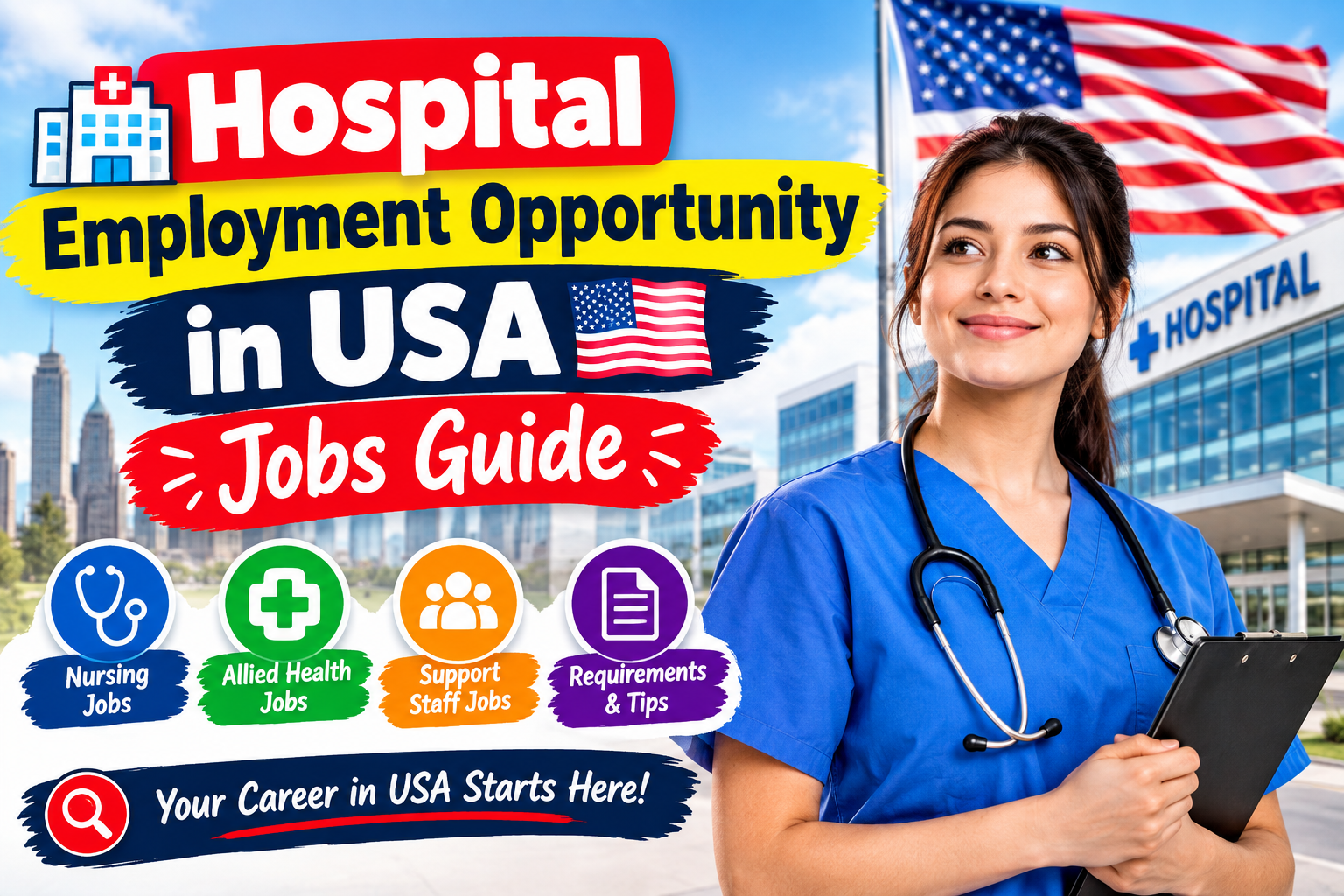
Hospital Employment Opportunity in USA discover top hospital jobs, requirements, salaries, benefits, and practical tips to start or grow your healthcare career.Hospital Employment Opportunity in USA gives you more oppertunaties to grow
Hospital Employment Opportunity in USA The United States has one of the largest and most advanced healthcare systems in the world, creating a wide range of career opportunities for medical professionals, healthcare support workers, technicians, administrators, and technology specialists.
For someone searching for a hospital employment opportunity in USA, the options go far beyond becoming a doctor or nurse. Modern hospitals employ thousands of people in clinical care, laboratory services, medical technology, administration, information technology, patient support, facilities management, and many other departments.
For beginners, the healthcare industry can provide a pathway into a stable career through entry-level positions. Experienced professionals may find opportunities for specialization, management, higher salaries, and career advancement.
International applicants may also find opportunities in American hospitals, although professional licensing, education equivalency, immigration status, and work authorization can make the process more complicated.
This guide explains how hospital employment works in the USA, which jobs are available, what qualifications employers look for, how salaries vary, how to apply, and what international healthcare professionals should understand before starting their job search.
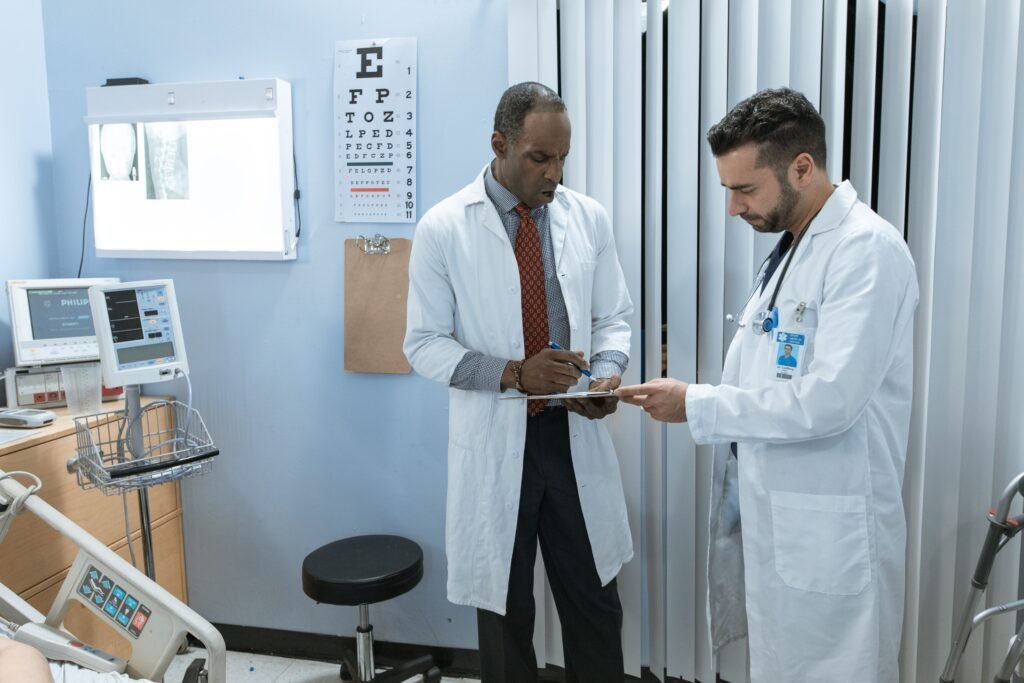
What Is Hospital Employment Opportunity in USA?
A hospital employment opportunity in USA refers to a job or career position available within a hospital, healthcare network, medical center, or related healthcare organization in the United States.
These positions can be divided broadly into several categories:
- Clinical healthcare jobs
- Nursing jobs
- Allied health professions
- Laboratory and diagnostic positions
- Pharmacy careers
- Administrative positions
- Healthcare management
- Medical billing and coding
- Information technology
- Patient support services
- Facilities and maintenance
- Research and academic healthcare
- Executive and leadership positions
Not every hospital employee provides direct patient care.
For example, a hospital may employ a registered nurse who directly cares for patients, while also employing a medical records specialist who manages patient information and an IT professional who maintains the hospital’s computer systems.
This diversity makes healthcare one of the more flexible industries for people with different educational backgrounds and professional skills.
Why Are Hospital Jobs in Demand in the USA?
The demand for healthcare workers is influenced by several long-term factors.
1. An Aging Population
As the population ages, demand for healthcare services generally increases. Older adults may require more frequent medical appointments, chronic disease management, rehabilitation, surgery, medication management, and long-term care.
This creates demand across multiple hospital departments.
2. Expansion of Healthcare Services
Healthcare organizations continue to develop specialized services, outpatient facilities, emergency departments, surgical centers, diagnostic services, and specialized treatment programs.
More services can mean more employment opportunities.
3. Medical Technology
Hospitals increasingly depend on sophisticated medical equipment, electronic health records, imaging systems, laboratory technology, and digital infrastructure.
Consequently, healthcare employment is no longer limited to traditional medical professions.
4. Replacement Demand
Healthcare organizations also need employees to replace workers who retire, change careers, relocate, or move into management positions.
This replacement demand can create opportunities even when overall employment growth varies between occupations.
5. Specialized Healthcare Needs
Some areas of healthcare require highly specialized knowledge.
Examples include:
- Critical care
- Oncology
- Emergency medicine
- Radiology
- Cardiology
- Mental health services
- Surgical care
- Laboratory medicine
- Healthcare informatics
Professionals with specialized training can therefore have access to different career pathways than general applicants.
Types of Hospital Employment Opportunities in USA
One of the biggest mistakes job seekers make is searching only for “hospital jobs.”
Hospitals contain dozens of departments, and each department has different qualifications.
1. Registered Nurse
Registered nurses are among the most important professionals in hospital operations.
They may work in:
- Emergency departments
- Intensive care units
- Medical-surgical units
- Operating rooms
- Pediatric departments
- Oncology
- Maternity
- Cardiology
- Psychiatric care
Typical responsibilities include monitoring patients, administering medications, documenting care, communicating with physicians, educating patients, and responding to changes in patient conditions.
Nursing can also provide a strong career ladder, with experienced nurses moving into specialized, supervisory, educational, or advanced-practice positions.
2. Physician or Doctor
Physicians diagnose medical conditions, develop treatment plans, perform procedures, and manage patient care.
Hospital physicians may specialize in areas such as:
- Internal medicine
- Surgery
- Emergency medicine
- Pediatrics
- Anesthesiology
- Cardiology
- Neurology
- Oncology
- Radiology
- Psychiatry
Becoming a physician in the USA requires extensive education, training, licensing, and professional requirements.
For international medical graduates, the process can involve additional examinations, credential verification, residency training, and state licensing requirements.
3. Medical Assistant
Medical assistants support healthcare professionals with clinical and administrative duties.
Depending on the workplace, responsibilities can include:
- Recording vital signs
- Preparing examination rooms
- Updating patient information
- Scheduling appointments
- Assisting healthcare providers
- Handling basic administrative tasks
This can be an attractive entry point for people who want to enter healthcare without pursuing a lengthy professional degree.
4. Pharmacy Technician
Pharmacy technicians assist pharmacists with medication-related operations.
Their duties may include:
- Preparing prescriptions
- Managing medication inventory
- Processing prescription information
- Communicating with patients
- Maintaining pharmacy records
Requirements vary depending on the state and employer.

5. Pharmacist
Pharmacists are highly trained medication specialists.
They may work in hospital pharmacies, where they collaborate with physicians and nurses to help ensure medications are appropriately selected, prepared, and administered.
Hospital pharmacists may specialize in areas such as:
- Critical care
- Oncology
- Infectious diseases
- Pediatrics
- Emergency medicine
This career requires substantial education and professional licensing.
6. Radiologic Technologist
Radiologic technologists operate medical imaging equipment and assist with diagnostic procedures.
Depending on their training, professionals may work with:
- X-rays
- CT imaging
- MRI
- Mammography
- Other diagnostic technologies
Because imaging plays a major role in modern diagnosis, qualified imaging professionals can be valuable members of hospital teams.
7. Laboratory Technician and Technologist
Hospital laboratories process specimens used to diagnose and monitor diseases.
Laboratory professionals may work with:
- Blood
- Urine
- Tissue
- Microbiological samples
- Genetic material
- Other biological specimens
Potential areas include:
- Hematology
- Microbiology
- Clinical chemistry
- Immunology
- Molecular diagnostics
Attention to detail is especially important because laboratory results can directly influence clinical decisions.
8. Physical Therapist
Physical therapists help patients improve movement, mobility, strength, and physical function.
Hospital-based physical therapy can involve patients recovering from:
- Surgery
- Injury
- Stroke
- Neurological conditions
- Serious illness
Physical therapists often work as part of multidisciplinary healthcare teams.
9. Respiratory Therapist
Respiratory therapists specialize in patients experiencing breathing and cardiopulmonary problems.
They may assist patients with respiratory disorders and work with advanced respiratory equipment in hospital environments.
Respiratory care can be particularly important in intensive care and emergency settings.
10. Healthcare Administrator
Not every hospital career requires direct patient interaction.
Healthcare administrators help organizations manage their operations.
Their responsibilities may involve:
- Department management
- Staff coordination
- Budgeting
- Scheduling
- Compliance
- Quality improvement
- Operations
- Strategic planning
A background in healthcare administration, business, management, or a related field can be useful for these positions.
Entry-Level Hospital Employment Opportunities
You do not necessarily need a medical degree to begin working in a hospital.
Several positions may provide opportunities for individuals with a high school diploma, short-term training, certificates, or relevant experience.
Examples include:
| Position | Typical Entry Requirement |
|---|---|
| Patient Care Assistant | High school diploma/training may be required |
| Medical Assistant | Certificate or relevant training |
| Unit Clerk | High school diploma |
| Patient Service Representative | High school diploma/experience |
| Medical Receptionist | High school diploma |
| Transporter | Often entry-level |
| Housekeeping Worker | Often entry-level |
| Food Service Worker | Often entry-level |
| Administrative Assistant | Diploma/office experience |
| Medical Records Clerk | Training or relevant experience |
Requirements vary by employer, state, department, and job responsibilities.
Why Entry-Level Hospital Jobs Matter
An entry-level position can provide valuable exposure to the healthcare environment.
For example, someone starting as a patient service representative may later pursue education in medical administration, nursing, healthcare management, or another healthcare profession.
Hospital experience can also help an applicant understand workplace expectations before committing to a specialized healthcare career.
Hospital Jobs for Experienced Professionals
Experienced professionals have opportunities to move beyond entry-level positions.
Examples include:
- Senior registered nurse
- Nurse manager
- Clinical coordinator
- Department supervisor
- Clinical laboratory manager
- Healthcare administrator
- Hospital operations manager
- Clinical educator
- Healthcare IT manager
- Quality improvement specialist
- Healthcare data analyst
- Hospital executive
Career progression often depends on education, experience, licensing, leadership ability, professional certifications, and the specific requirements of an employer.
Hospital Employment Opportunity in USA by Career Level
A useful way to understand hospital careers is to divide them into three levels.
Entry Level
These positions generally involve foundational responsibilities.
Examples:
- Patient transporter
- Receptionist
- Unit clerk
- Food service worker
- Housekeeping employee
- Patient service representative
Mid-Level
These positions generally require specialized education, certification, experience, or professional licensing.
Examples:
- Registered nurse
- Radiologic technologist
- Medical laboratory professional
- Respiratory therapist
- Pharmacist
- Healthcare analyst
Senior Level
Senior positions usually require significant experience and often advanced education.
Examples:
- Nurse manager
- Department director
- Hospital administrator
- Chief nursing executive
- Clinical operations director
- Healthcare executive
Hospital Job Salaries in the USA
Healthcare salaries can vary significantly.
There is no single salary for a hospital employee because compensation depends on occupation, education, experience, location, employer, specialty, shift, and licensing.
For example, a highly specialized healthcare professional may earn considerably more than an entry-level support worker.
Factors That Influence Hospital Salaries
Education
Advanced education can qualify professionals for occupations with higher compensation.
Experience
Experienced employees may qualify for senior roles, specialized positions, or supervisory responsibilities.
Specialty
Some healthcare specialties require advanced technical knowledge and may offer higher compensation.
Geographic Location
Healthcare salaries can differ significantly between states and metropolitan areas.
However, a higher salary does not automatically mean a better financial situation. Housing, transportation, taxes, insurance, and other living expenses also matter.
Shift
Some hospitals offer additional compensation for:
- Night shifts
- Weekend shifts
- Holiday shifts
- Overtime
The exact structure depends on the employer and employment agreement.
Hospital Benefits and Employee Perks
Salary is only one part of compensation.
A hospital employment opportunity may also include benefits such as:
- Health insurance
- Dental insurance
- Vision coverage
- Retirement plans
- Paid vacation
- Paid holidays
- Sick leave
- Parental leave
- Tuition assistance
- Professional development
- Employee assistance programs
- Shift differentials
Benefits differ from one employer to another.
Therefore, applicants should compare the complete compensation package, not just the advertised salary.
Educational Requirements for Hospital Jobs
Education requirements depend heavily on the occupation.
High School Level
Some support and administrative positions may require a high school diploma or equivalent.
Certificate Programs
Shorter training programs can prepare candidates for certain healthcare support careers.
Examples may include:
- Medical assisting
- Pharmacy technician training
- Medical billing
- Medical coding
- Patient care support
Associate Degree
An associate degree may be appropriate for certain technical healthcare professions.
Bachelor’s Degree
Many professional and administrative roles require or prefer a bachelor’s degree.
Examples include certain positions in:
- Nursing
- Healthcare administration
- Health information management
- Healthcare technology
Graduate Education
Advanced clinical, management, research, and academic positions may require master’s or doctoral-level education.
Licensing and Certification Requirements
This is one of the most important issues to understand before applying.
Some hospital occupations are regulated professions.
A person may have the required education but still be unable to legally practice until the relevant licensing requirements have been completed.
Commonly regulated professions include:
- Physicians
- Registered nurses
- Pharmacists
- Physical therapists
- Occupational therapists
- Certain laboratory professionals
- Certain imaging professionals
Requirements can differ between states.
Certification vs. License
These terms are not always interchangeable.
A license is generally legal authorization from a relevant regulatory authority to practice a profession.
A certification generally demonstrates that a professional has met requirements established by a certifying organization.
Some jobs require one, some require both, and others may not require either.
How to Find Hospital Employment Opportunity in USA
Finding a hospital job is easier when your search is organized.
Step 1: Choose Your Career Category
First determine what type of work you want.
For example:
“I want to work in healthcare, but I don’t have a medical degree.”
That could lead you toward administrative, support, technology, or other entry-level healthcare careers.
Alternatively:
“I am already a licensed nurse.”
Your search should focus on nursing positions rather than general hospital jobs.
Step 2: Prepare a Professional Resume
Your resume should quickly communicate:
- Professional experience
- Education
- Certifications
- Licenses
- Technical skills
- Clinical experience
- Relevant achievements
- Contact information
Avoid filling your resume with unrelated information.
For healthcare positions, employers generally need to understand your professional qualifications quickly.
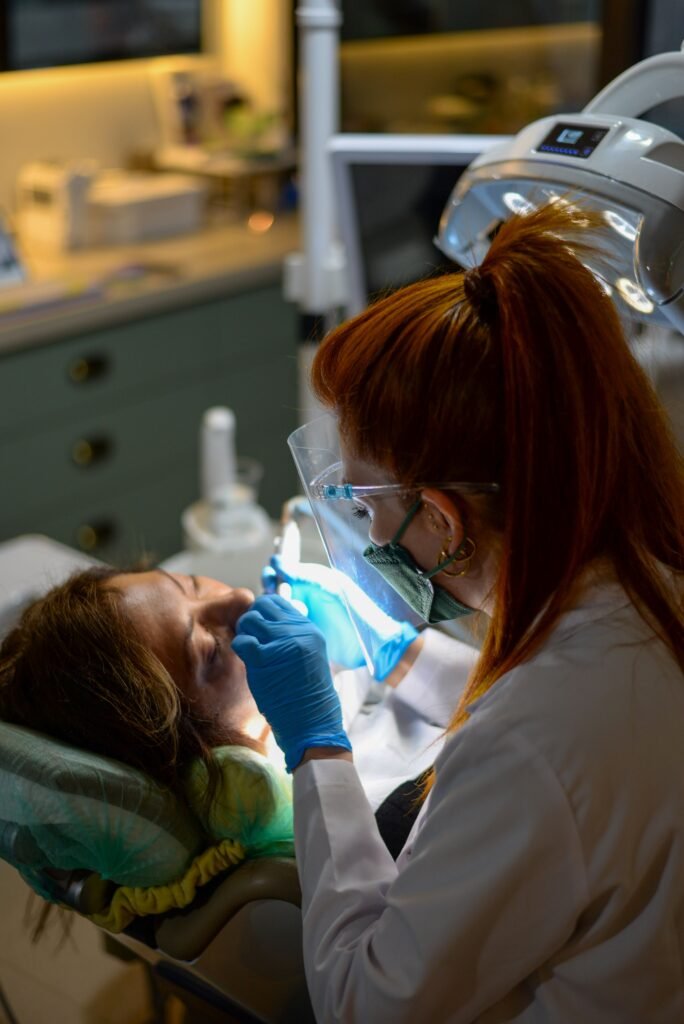
Step 3: Search for Appropriate Job Titles
Instead of searching only for “hospital jobs,” use specific terms.
Examples:
- Registered Nurse hospital jobs
- Medical assistant hospital jobs
- Hospital administrative jobs
- Medical laboratory jobs
- Healthcare IT jobs
- Patient care assistant jobs
- Radiologic technologist jobs
- Hospital billing jobs
- Healthcare management jobs
Specific searches usually produce more relevant opportunities.
Step 4: Check the Job Requirements
Before applying, carefully review:
- Education requirements
- License requirements
- Certification requirements
- Experience
- Work schedule
- Physical requirements
- Required technical skills
- Work authorization requirements
Do not assume that meeting 50% of the requirements means you should apply for every position.
Focus on jobs where your qualifications reasonably match the employer’s needs.
Step 5: Customize Your Application
A generic application is often less effective than one tailored to the position.
For example, if the employer emphasizes patient communication, your resume should clearly demonstrate relevant communication experience.
If the position emphasizes electronic health records, highlight your experience with relevant systems if applicable.
How to Apply for Hospital Jobs in the USA
The application process commonly follows several stages.
Stage 1: Online Application
Most large healthcare organizations use online application systems.
You may need to provide:
- Resume
- Employment history
- Education
- Certifications
- References
- Professional license information
Stage 2: Application Review
Recruiters or hiring managers review applications to determine whether candidates meet the basic requirements.
Stage 3: Interview
Qualified candidates may receive a phone, video, or in-person interview.
Stage 4: Skills or Credential Verification
Certain healthcare positions require verification of licenses, certifications, education, or professional credentials.
Stage 5: Background and Pre-Employment Checks
Depending on the position, employers may conduct appropriate background checks and other pre-employment screening.
Stage 6: Job Offer
A successful candidate may receive an offer describing compensation, schedule, position, and employment conditions.
How to Prepare for a Hospital Job Interview
Hospital interviews often evaluate more than technical knowledge.
Employers may want to know how you handle responsibility, communication, teamwork, pressure, and difficult situations.
Prepare examples demonstrating:
- Teamwork
- Problem-solving
- Communication
- Reliability
- Patient-focused behavior
- Conflict resolution
- Attention to detail
- Professional ethics
Example Interview Question
“How would you handle an upset patient?”
A strong answer should demonstrate empathy, professionalism, communication, and appropriate escalation when necessary.
Do not simply say:
“I would tell them to calm down.”
Instead, explain how you would listen, understand the concern, communicate respectfully, and involve the appropriate supervisor or clinical professional when necessary.
Hospital Employment Opportunity in USA for International Applicants
International professionals can potentially pursue healthcare employment in the USA, but the process can be more complex than it is for domestic applicants.
The most important issue is that having a foreign qualification does not automatically authorize someone to practice a regulated profession in the United States.
An international applicant may need to address several separate issues:
- Educational credential evaluation
- English-language requirements where applicable
- Professional examinations
- State licensing
- Employer requirements
- Immigration status
- Work authorization
The exact pathway depends on the profession and individual circumstances.
International Nurses
Hospital Employment Opportunity in USAInternationally educated nurses may need to complete credential evaluation, meet examination requirements, satisfy state-specific licensing conditions, and obtain appropriate authorization to work.
The process can take time, so applicants should understand their target state’s requirements before making major career decisions.
International Doctors
International medical graduates generally face a more complex pathway.
Possible steps may include:
- Verification of medical education
- Required examinations
- Meeting applicable certification requirements
- Applying for residency or other approved training pathways
- State medical licensing
- Immigration and work authorization
A physician trained outside the USA should not assume that a medical degree from another country automatically permits independent medical practice in the United States.
Visa and Work Authorization Considerations
For international applicants, immigration status is separate from professional qualification.
Someone may be professionally qualified but still need appropriate authorization to work.
Depending on the occupation and circumstances, possible immigration pathways can include employment-based categories or other applicable visa classifications.
Some highly specialized professionals may have different options from entry-level workers.
Important Distinction
There are two separate questions:
Can you legally perform the profession?
and
Can you legally work in the United States?
You may need to satisfy both.
Skills Hospitals Look For
Healthcare employers generally value a combination of technical and interpersonal skills.
Clinical Skills
For clinical positions, employers may look for:
- Patient assessment
- Clinical documentation
- Medication knowledge
- Infection prevention
- Patient safety
- Technical procedures
Soft Skills
Almost every hospital employee can benefit from:
- Communication
- Teamwork
- Reliability
- Empathy
- Organization
- Adaptability
- Critical thinking
- Professionalism
Technology Skills
Technology is increasingly important.
Depending on the role, useful skills may include:
- Electronic health records
- Data entry
- Healthcare software
- Medical coding systems
- Data analysis
- Cybersecurity
- Digital communication
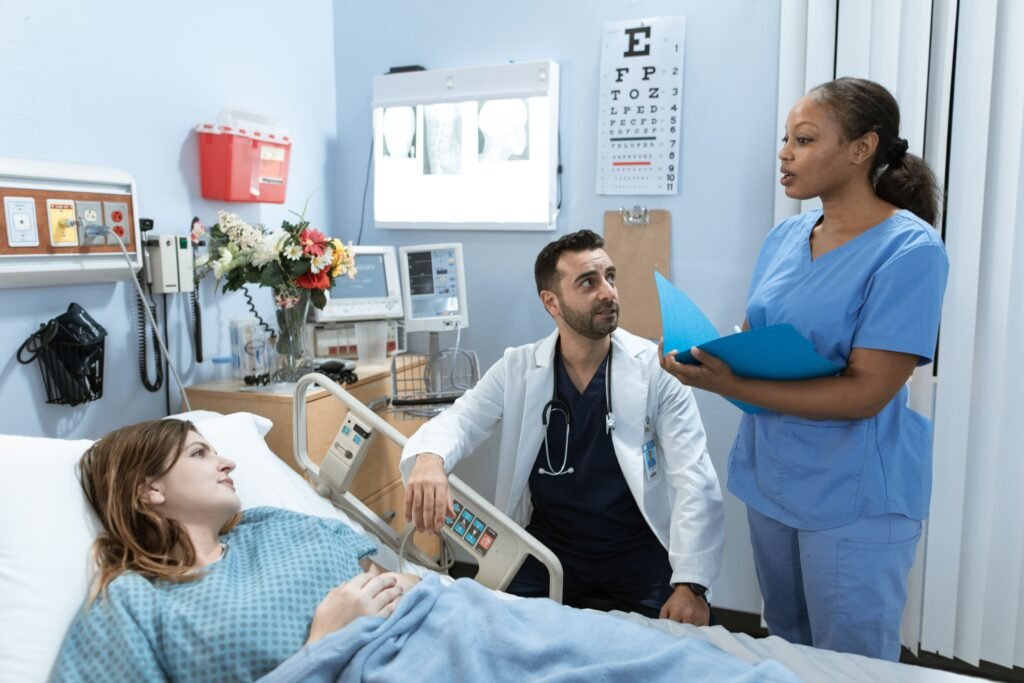
Hospital Jobs vs. Private Clinics
Hospital employment and clinic employment can offer different experiences.
| Factor | Hospital | Private Clinic |
|---|---|---|
| Work environment | Large and complex | Often smaller |
| Patient volume | Often higher | Often lower |
| Specialties | Many | Usually more limited |
| Shift work | Common in many departments | Often less common |
| Career paths | Numerous departments | Fewer departments |
| Emergency care | Common | Usually limited |
| Team size | Often large | Usually smaller |
Neither option is automatically better.
The right choice depends on your career goals, preferred working environment, schedule, and specialty.
Hospital Jobs vs. Nursing Home Jobs
Hospitals and nursing homes serve different healthcare needs.
Hospitals commonly focus on acute and specialized medical care.
Nursing homes generally provide longer-term care and support for residents with ongoing healthcare or daily living needs.
A professional interested in fast-paced acute care may prefer a hospital, while someone interested in long-term patient relationships may prefer a nursing or residential care environment.
Advantages of Hospital Employment
A hospital career can offer several potential benefits.
Career Stability
Healthcare services remain essential, creating continuing demand for many healthcare occupations.
Career Diversity
Hospitals contain many departments, allowing employees to explore different career paths.
Professional Development
Employees may have opportunities to learn new technologies, obtain additional certifications, and develop specialized skills.
Advancement
Experienced professionals can move into supervisory and management positions.
Meaningful Work
Many healthcare employees find value in helping patients during some of the most important moments of their lives.
Challenges and Risks of Hospital Employment
Hospital careers are rewarding, but they are not easy.
Long or Irregular Hours
Many hospitals operate 24 hours a day.
Depending on the department, employees may work:
- Nights
- Weekends
- Holidays
- Rotating shifts
- Overtime
High-Pressure Environment
Emergency departments, intensive care units, operating rooms, and other departments can be stressful.
Employees may have to make decisions quickly while maintaining professional standards.
Emotional Pressure
Healthcare workers may encounter serious illness, injuries, death, and distressed families.
Emotional resilience is therefore important.
Physical Demands
Some positions require employees to stand for long periods, move equipment, walk extensively, or assist patients with mobility.
Continuous Learning
Healthcare changes constantly.
Professionals may need continuing education, updated certifications, new technical skills, or additional training throughout their careers.
How to Build a Long-Term Hospital Career
Getting your first hospital job is only the beginning.
A successful healthcare career requires continuous development.
1. Build Strong Fundamentals
Become highly competent in the basic responsibilities of your position.
Reliability and consistency matter.
2. Develop a Specialty
Once you gain experience, consider whether a specialized area interests you.
Specialization can make your professional profile more focused.
3. Continue Your Education
Additional education may open doors to advanced positions.
4. Develop Leadership Skills
If you want to become a supervisor or manager, technical knowledge alone may not be enough.
Learn how to:
- Lead teams
- Resolve conflicts
- Manage schedules
- Communicate expectations
- Analyze problems
- Improve processes
5. Maintain Professional Credentials
Keep required licenses and certifications current.
Expired credentials can create serious employment problems for regulated professions.
Example Career Pathways
Example 1: Entry-Level Healthcare Career
High School Diploma → Patient Service Representative → Medical Assistant Training → Medical Assistant → Advanced Healthcare Education
This pathway can be suitable for someone who wants to enter healthcare quickly and build experience gradually.
Example 2: Nursing Career
Nursing Education → Licensing → Registered Nurse → Specialty Experience → Senior/Leadership Position
A nurse may eventually move into education, management, advanced practice, or specialized clinical roles.
Example 3: Healthcare Administration
Bachelor’s Degree → Administrative Position → Healthcare Operations Experience → Department Manager → Healthcare Administrator
The exact path varies considerably by employer and educational background.
Example 4: Healthcare Technology
Technology Education → Hospital IT Support → Healthcare IT Specialist → Systems/Applications Specialist → Healthcare IT Management
This pathway demonstrates that a healthcare career does not necessarily require clinical training.
How to Make Your Hospital Job Application Stronger
Competition can be significant for desirable positions.
To improve your application:
Highlight Relevant Experience
Prioritize experience related to the position.
Use Measurable Achievements
Instead of writing:
“Responsible for helping patients.”
A stronger resume statement could explain the type and scale of your responsibility.
Keep Your Resume Easy to Scan
Recruiters should be able to identify your:
- Job title
- Experience
- Education
- License
- Certifications
- Relevant skills
quickly.
Avoid False Information
Never exaggerate qualifications, licenses, education, clinical experience, or work authorization.
Healthcare employers have strong reasons to verify credentials.
Common Mistakes When Searching for Hospital Jobs
Mistake 1: Applying Without Checking Licensing Requirements
A job may require a license that you do not currently hold.
Mistake 2: Using One Resume for Everything
A nursing resume and healthcare administrative resume should not necessarily look identical.
Mistake 3: Ignoring Shift Requirements
A job may require nights, weekends, or holidays.
Always review the schedule carefully.
Mistake 4: Focusing Only on Salary
Consider benefits, location, commute, schedule, workload, career development, and workplace environment.
Mistake 5: Assuming Foreign Qualifications Automatically Transfer
International professionals should carefully verify credential and licensing requirements.
Mistake 6: Applying Only to Famous Hospitals
Large, well-known institutions are not the only employers.
Regional hospitals, community hospitals, healthcare networks, specialty centers, and other healthcare organizations may offer valuable career opportunities.
A Simple Hospital Job Search Strategy
If you are starting from zero, use this five-step strategy.
Step 1: Identify Your Qualification
Write down:
- Education
- Experience
- Certifications
- Licenses
- Technical skills
Step 2: Select Suitable Job Titles
Choose five to ten job titles that match your qualifications.
Step 3: Create a Targeted Resume
Adapt your resume to those positions.
Step 4: Apply Consistently
Create a realistic weekly application target instead of applying randomly.
Step 5: Track Your Applications
Maintain a simple record containing:
| Information | Example |
|---|---|
| Employer | Hospital/Healthcare organization |
| Position | Registered Nurse |
| Date Applied | August 2026 |
| Application Status | Under Review |
| Interview | Pending |
| Follow-up | Planned |
Organization prevents promising opportunities from being forgotten.
Frequently Asked Questions About Hospital Employment Opportunity in USA
1. What are the most in-demand hospital jobs in the USA?
Hospital Employment Opportunity in USA hospital employment opportunities in the USA Demand varies by location and occupation, but hospitals commonly recruit nurses, physicians, allied health professionals, technicians, healthcare support workers, administrative employees, and healthcare technology professionals.
The best opportunity depends on your qualifications, professional license, experience, and geographic location.
2. Can foreigners get hospital jobs in the USA?
Yes, international professionals can potentially obtain hospital employment, but they must meet the requirements applicable to their occupation and immigration situation.
Regulated healthcare professions may require credential evaluation, examinations, state licensing, and other professional requirements before practice is permitted.
3. Can I work in a US hospital without a medical degree?
Yes. Many hospital positions do not require a medical degree.
Examples include administrative assistants, patient service representatives, medical receptionists, certain support positions, healthcare IT roles, and various technical or allied-health occupations.
However, each job has its own qualifications.
4. What hospital jobs can beginners apply for?
Depending on education and employer requirements, beginners may consider roles such as patient service representative, medical receptionist, unit clerk, patient transporter, administrative assistant, or certain healthcare support positions.
Some clinical roles require formal training or certification.
5. How much do hospital workers earn in the USA?
There is no single hospital-worker salary.
Compensation varies according to occupation, education, experience, specialty, location, employer, licensing, and shift schedule.
A physician, registered nurse, medical assistant, laboratory professional, and administrative employee can have dramatically different compensation.
6. Do all hospital jobs require a license?
No.
Some hospital positions require professional licensing, while many administrative, support, technology, and other roles do not.
Always check the specific requirements of the position and state.
7. Is hospital employment a good career choice?
For many people, yes.
Healthcare can offer diverse career options, professional development, job stability, and opportunities to specialize.
However, hospital work can also involve stress, irregular schedules, physical demands, and emotional challenges.
8. Can international nurses work in American hospitals?
Internationally educated nurses can potentially work in American hospitals after meeting applicable credentialing, examination, licensing, immigration, and employment requirements.
The exact process depends on the nurse’s education, professional background, and intended state of practice.
9. What skills are important for hospital employees?
hospital employment opportunities in the USA Important skills include communication, teamwork, reliability, attention to detail, adaptability, professionalism, problem-solving, patient safety awareness, and role-specific technical knowledge.
10. How can I increase my chances of getting a hospital job?
Choose positions that match your qualifications, create a targeted resume, maintain required credentials, prepare carefully for interviews, apply consistently, and gain relevant experience whenever possible.
Final Thoughts on Hospital Employment Opportunity in USA
Hospital Employment Opportunity in USA can be the beginning of a long-term and rewarding career, but the best opportunity depends on the individual.
hospital employment opportunities in the USA A high school graduate may begin with an entry-level support position. A healthcare graduate may enter a specialized clinical profession. An experienced nurse may move into leadership. A technology professional may build a career in healthcare IT. An international professional may pursue the additional licensing and work-authorization steps necessary to enter the American healthcare system.
The key is to avoid treating “hospital jobs” as one single career category.
Instead, identify your education, skills, experience, professional credentials, and career goals. Then choose positions that genuinely match your background.
Actionable Takeaways
- Identify your career level: entry, mid-level, or senior.
- Choose a specific job title instead of searching only for “hospital jobs.”
- Check education and licensing requirements before applying.
- Build a targeted healthcare resume that highlights relevant qualifications.
- Prepare for behavioral and technical interviews.
- Compare total compensation, including benefits and schedule.
- International applicants should separate licensing from work authorization.
- Continue developing skills after obtaining your first position.
- Consider specialization once you have gained practical experience.
- Apply consistently and track your applications.
The American healthcare industry is broad, and hospital careers extend far beyond doctors and nurses. With the right qualifications, a focused job-search strategy, and a willingness to keep learning, there are many possible paths into hospital employment and long-term healthcare career growth.